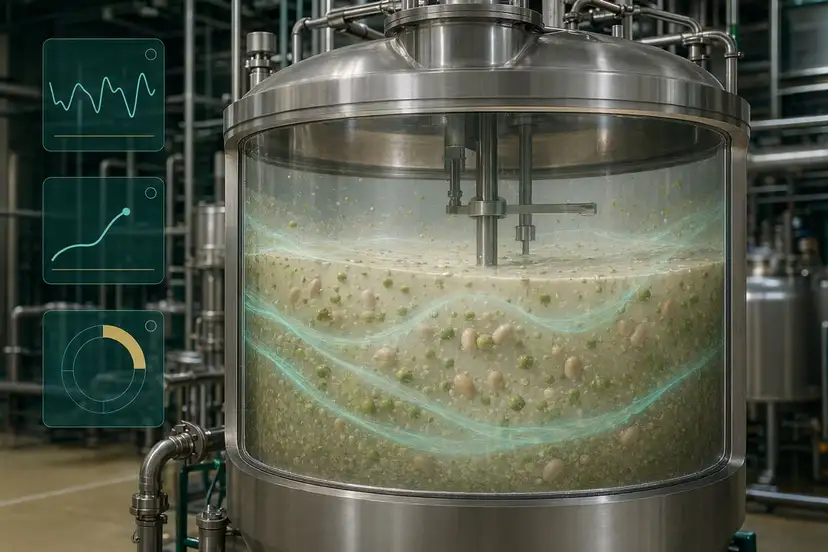
Phytase for Pulse Protein Processing | Hilum Process Co.
Phytase enzyme support for pulse protein isolate plants managing phytate reduction, mineral binding, flavor positioning, separation behavior, and predictable ingredient trials.
Request pricing Phytase enzyme support for pulse protein isolate plants managing phytate reduction, mineral binding, flavor positioning, separation behavior, and predictable ingredient trials.
Request pricingPulse protein isolate plants are under pressure to deliver cleaner nutrition labels, stable sensory performance, and consistent separation behavior across variable seed lots. Phytase can help when phytate is limiting ingredient positioning, binding minerals, or contributing to process variability in protein-rich streams.
Hilum Process Co. supplies phytase solutions for ingredient factories that need practical plant outcomes, not lab-centered promises. As an enzyme supplier for pulse protein processing, we focus on how phytase fits into your slurry preparation, pH management, residence time, separation train, and finished ingredient specification.
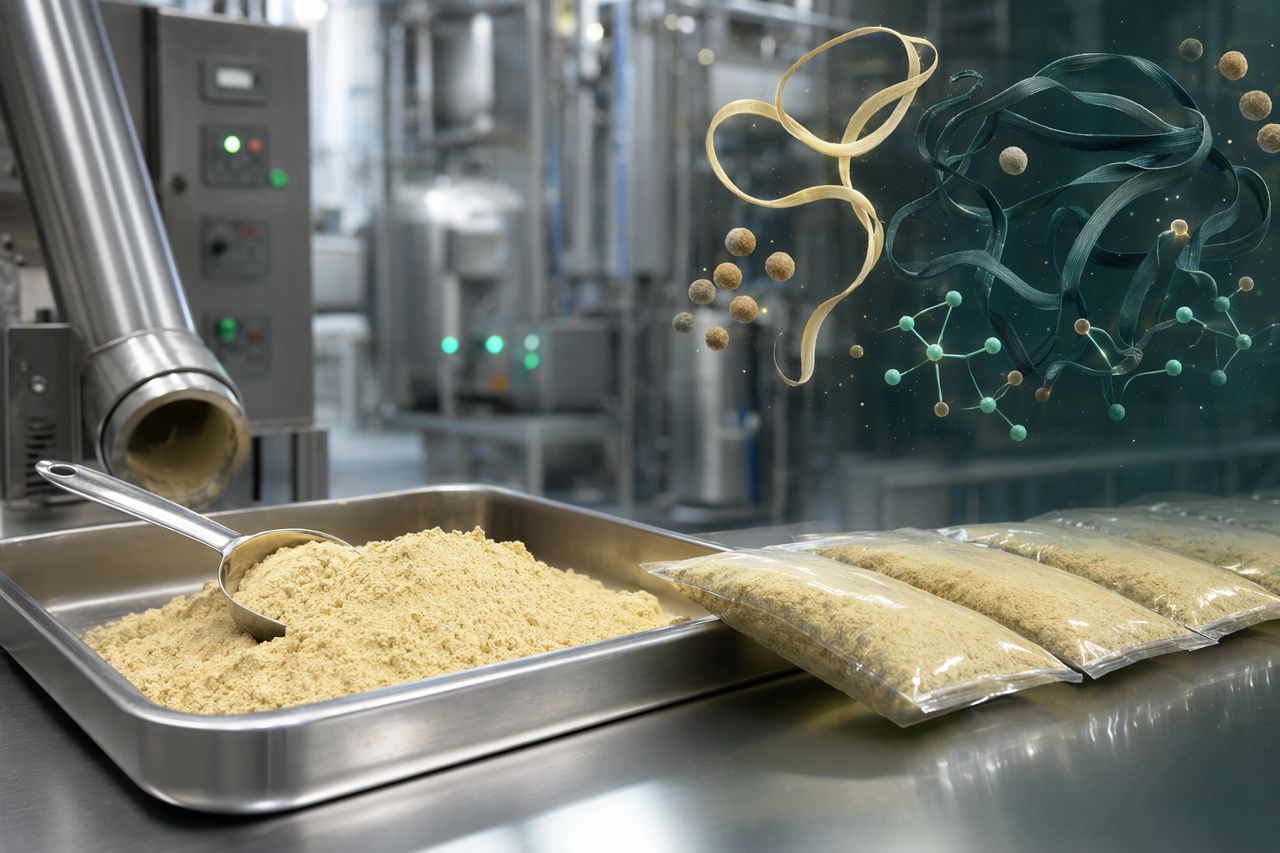
Phytate is naturally present in peas, faba beans, lentils, chickpeas, and other pulses. In protein ingredient manufacturing, phytate can influence more than nutrition claims. It may affect mineral interactions, protein functionality, flavor perception, and downstream consistency.
A targeted phytase step can support:
The goal is not to add complexity. The goal is to place enzyme action where it helps the plant run with more control.
Pulse protein plants rarely operate on a perfectly uniform feedstock. Seed origin, storage history, milling profile, hydration behavior, and extraction conditions all shift the operating window. A phytase program has to account for that variation.
Hilum supports phytase selection around operational factors such as:
We help define a trial that your production team can actually run and interpret.
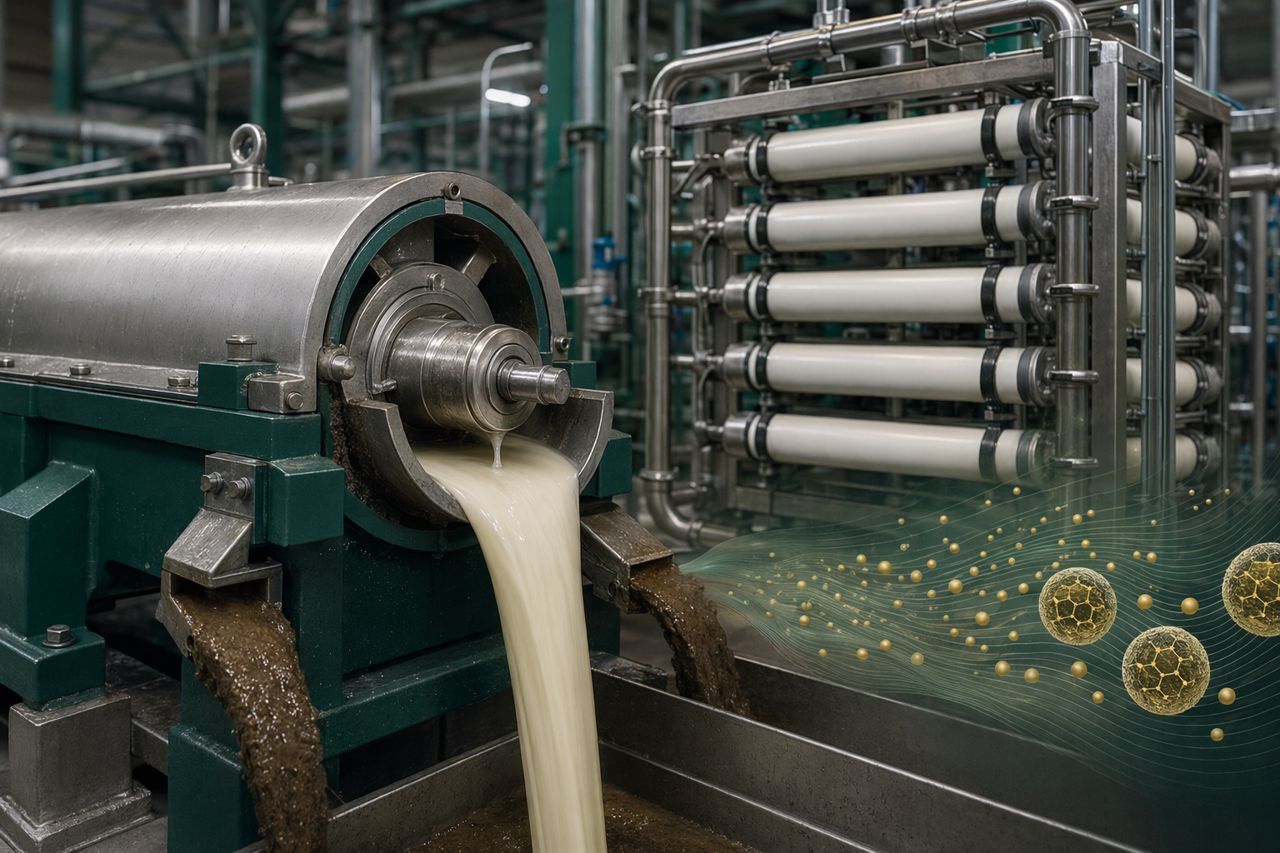
Phytase placement depends on your process design. In many pulse protein isolate plants, the best point of use is upstream of final protein concentration, where contact conditions are controlled and the slurry is still manageable.
Potential integration points include:
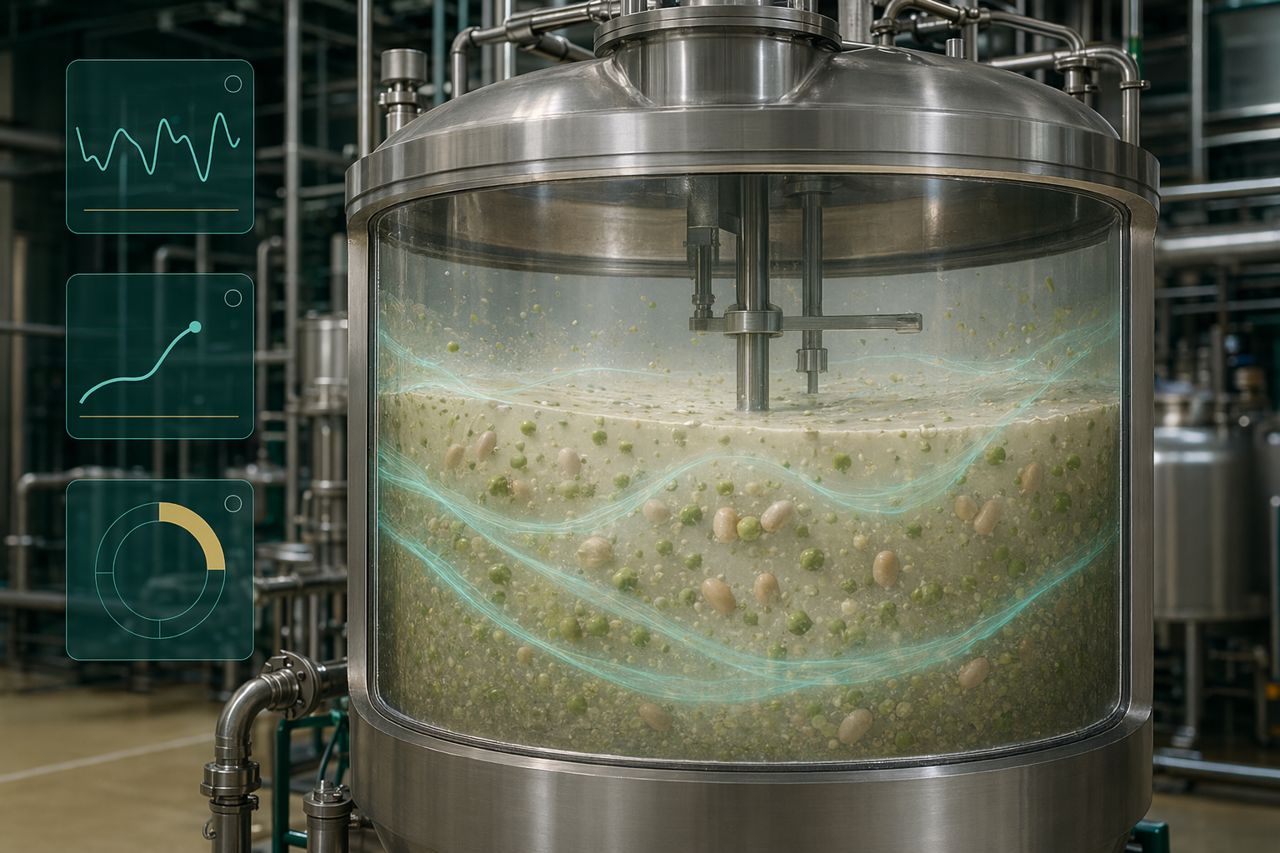
A phytase step during controlled hydration can support early phytate conversion before major separation pressure builds. This can be useful when slurry handling is predictable and pH adjustment is already part of the operation.
For plants with defined extraction residence time, phytase may be evaluated in the protein-rich stream to address phytate while maintaining recovery targets.
Some operations may prefer side-stream treatment to reduce disruption to the main production line. This can be useful during trials or when the plant wants to compare treated and untreated streams with minimal scheduling risk.
Phytase decisions are usually made by cross-functional teams: plant management, process engineering, quality, R&D, procurement, and commercial ingredient leadership. Each team needs a different answer, but the plant still needs one workable process.
Hilum frames phytase value around measurable business and operating outcomes:
Pulse protein plants often expand beyond a single raw material. A phytase program should not be locked to one idealized substrate. Hilum helps evaluate enzyme fit across pulse types and product lines, including:
The right phytase selection depends on your actual plant conditions and commercial targets.
A good enzyme trial should reduce uncertainty, not create a new troubleshooting burden. Hilum supports a staged trial plan that keeps the plant team in control.
A typical evaluation may include:
We avoid vague recommendations. Your team should know what changed, where it changed, and whether the change is worth scaling.
To recommend the right phytase option, Hilum will ask for practical plant details:
If some details are confidential, we can start with ranges and refine from there.
If your plant is evaluating phytase for pulse protein ingredient processing, send the process context and target outcome through the on-site form. Hilum will respond with a practical phytase recommendation, trial pathway, and supply discussion for your production setting.
Tell us your application and volume — we reply with pricing and lead time.