Troubleshooting High Viscosity in Pulse Protein Slurries
High viscosity in a pulse protein isolate plant is not just a texture issue. It changes how the line behaves.
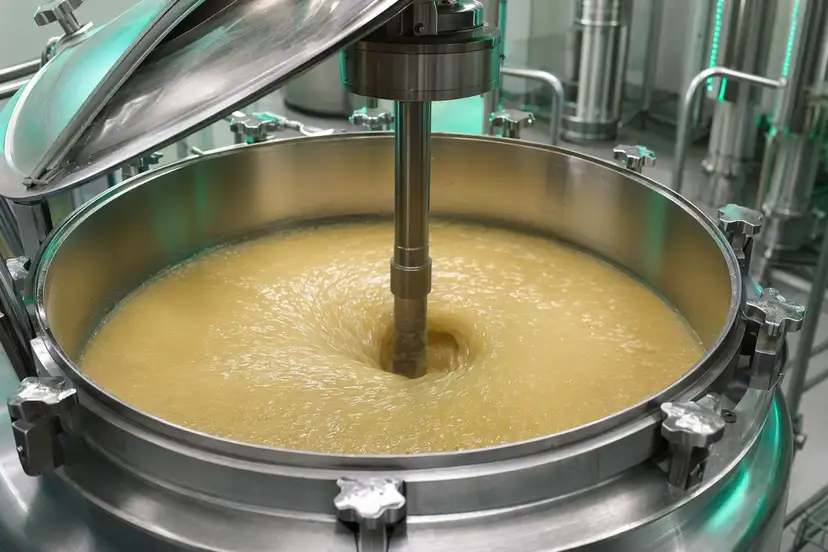
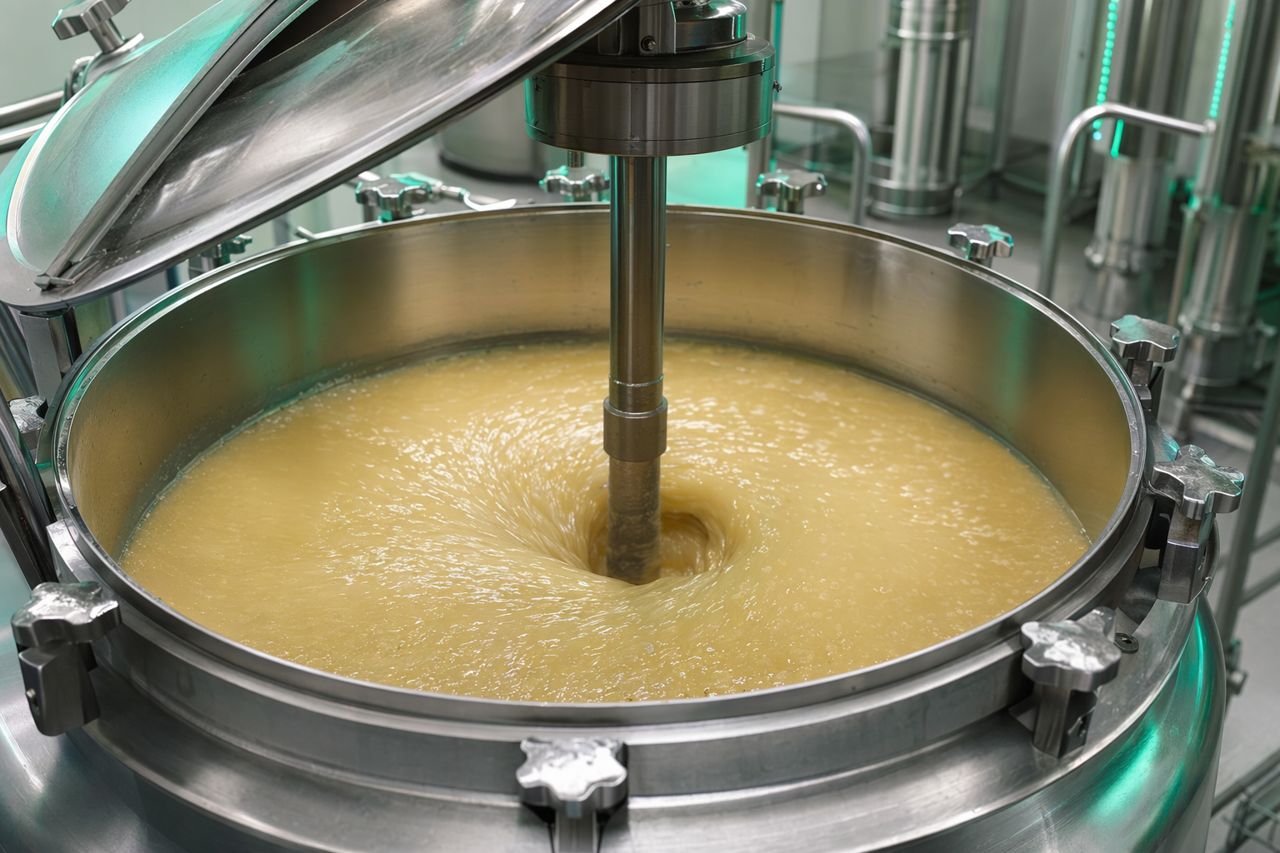
A thick slurry can raise pump load, slow transfer, blind screens, disturb decanter separation, and push membranes toward faster fouling. Operators see it as a line that feels heavy: longer tank turnovers, unstable flows, poor phase splits, and more cleaning pressure than planned.
For plant managers, the question is practical: where is the resistance forming, and what can be changed without creating a new downstream problem?
Hilum Process Co. works as an enzyme supplier for pulse protein processing with that question in mind. Enzymes should be selected for process outcomes: lower slurry drag, cleaner separation, better solids handling, and a trial path that operators can actually run.
Start by locating where the slurry turns heavy
Do not begin with the additive. Begin with the point of failure.
A useful viscosity review follows the slurry through the plant:
-
After milling and hydration
Is the slurry already thick before extraction chemistry starts? This often points to particle size spread, damaged starch, fiber hydration, or poor wet-out.
-
During extraction
Does viscosity rise after pH adjustment, heating, or hold time? The cause may be hydration kinetics, starch swelling, soluble fiber release, or a local processing condition that is not uniform across the tank.
-
Before screening or clarification
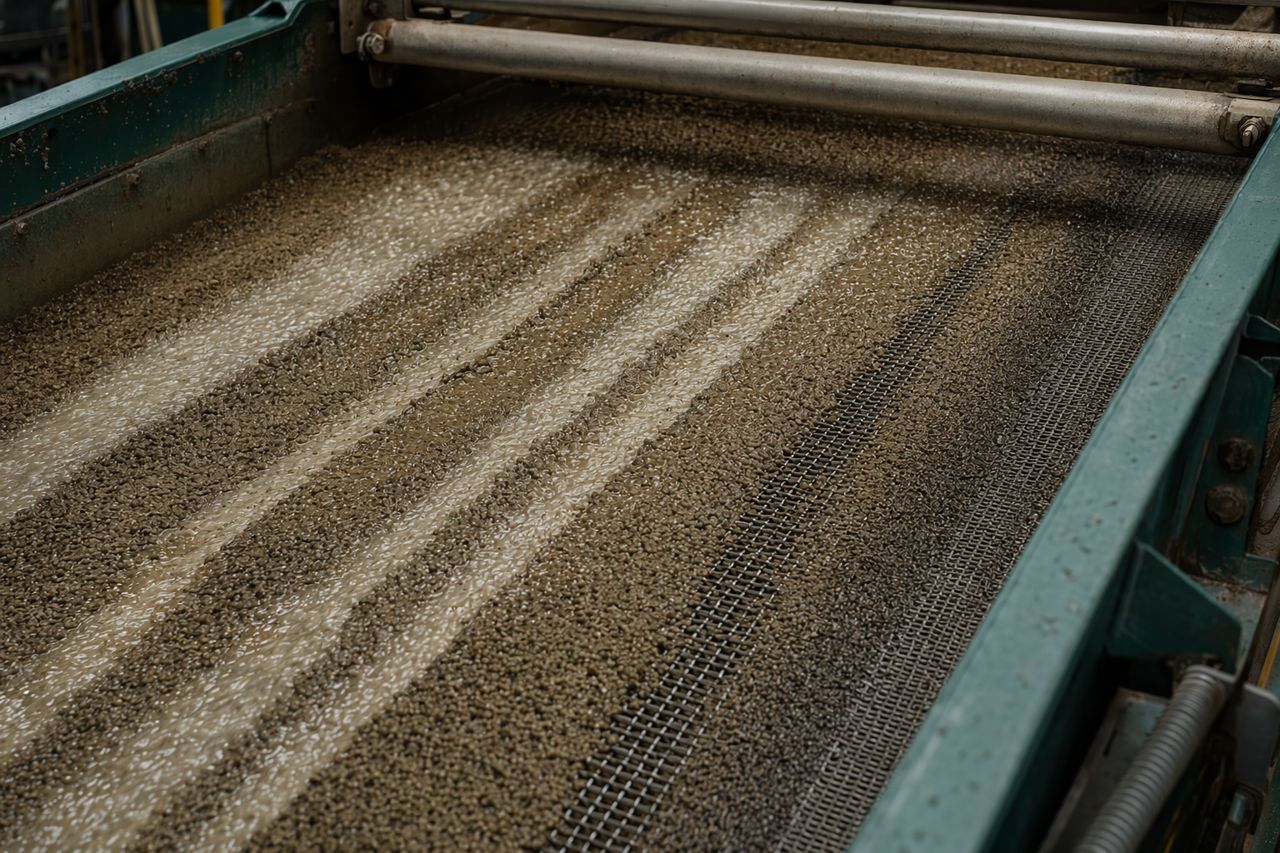
Are screens blinding faster than normal, even when upstream solids look acceptable? Fine fiber, swollen starch, and suspended particulates can combine into a layer that resists flow.
-
At decanter or centrifuge feed
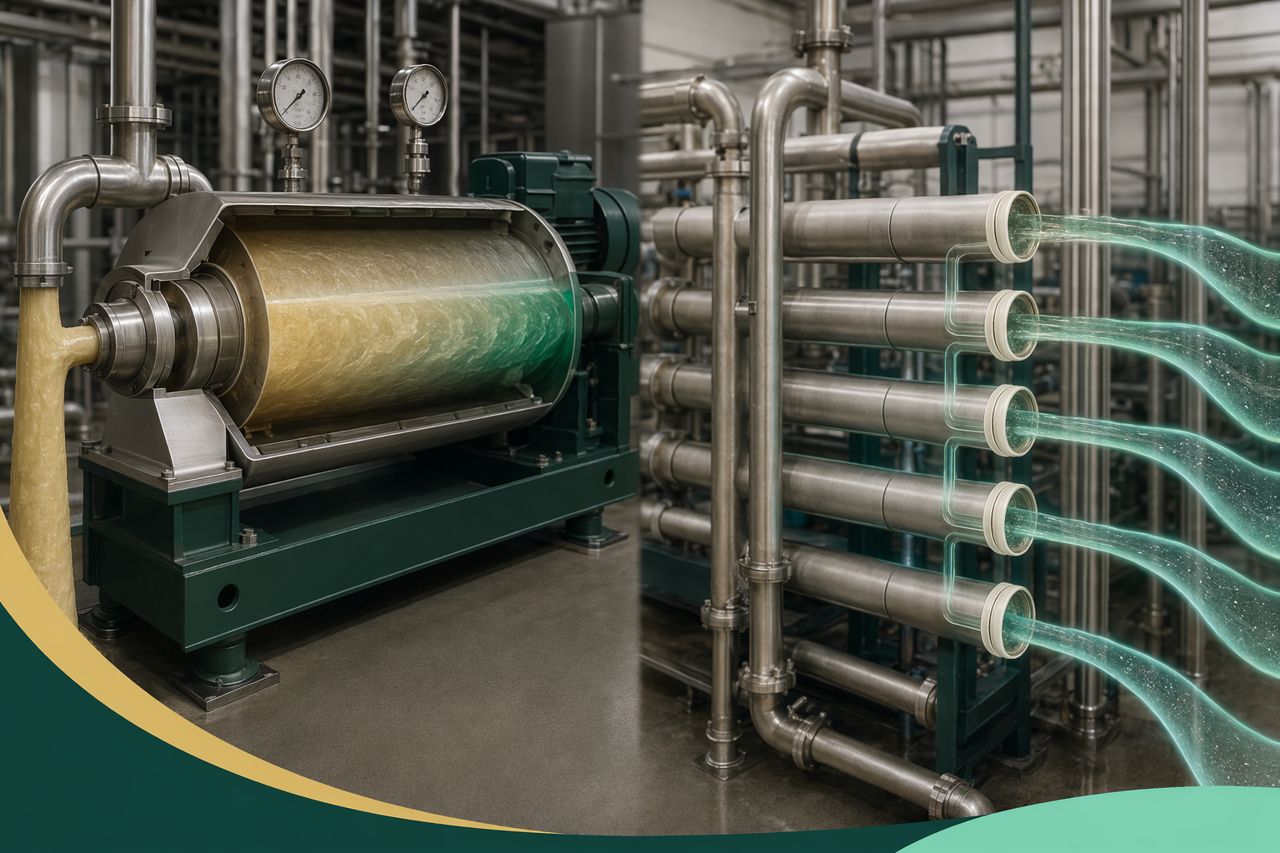
Is the machine running but not separating cleanly? A viscous continuous phase can reduce settling behavior and widen the interface, leaving more protein in the wrong stream.
-
Before membranes or concentration
Is fouling arriving earlier in the run? The issue may not be the membrane alone. Feed viscosity, fine solids, soluble carbohydrates, and upstream clarification all influence the curve.
The goal is not to assign blame to one step. The goal is to find the first point where slurry behavior changes.
Common process drivers behind high viscosity
Pulse raw materials vary by crop, variety, storage history, and milling condition. That variability shows up as plant behavior.
Starch contribution
Even when starch is not the target fraction, damaged or swollen starch can add drag to the slurry. It can also trap water, increase pump resistance, and make phase separation less distinct.
When starch is part of the viscosity load, an amylase-based approach may help thin the slurry before critical separation steps. The trial should be built around where thinning is needed, not simply where an enzyme can be added.
Fiber and cell wall materials
Pea, faba, lentil, chickpea, and other pulse streams contain fiber systems that hydrate differently. Hemicellulose, pectin-like fractions, and fine cell wall particles can create a slurry that carries more resistance than expected.
A carbohydrase blend may help loosen this structure and improve flow, especially when screening or centrifugation is sensitive to suspended fines.
Fine particle load
Very fine particles behave differently from coarse solids. They can stay suspended, carry water, and pass forward into equipment that is not designed to handle them. If viscosity complaints come with screen blinding or membrane fouling, fine particle behavior should be part of the review.
Enzymes can help when fines are held together by starch or fiber structure. They cannot correct every milling issue. That distinction matters during troubleshooting.
pH, heat, and hold time history
A slurry can become more difficult simply because local conditions are uneven. Hot spots, slow mixing zones, aggressive pH transitions, and long waits in intermediate tanks can change hydration and protein behavior.
Before trialing an enzyme, confirm that operators can hold the intended process window consistently. A good enzyme trial loses value if the tank environment is not repeatable.
A plant-floor checklist for the first review
Use this checklist before changing the process:
- Trend pump load and flow behavior at the same points each shift.
- Record where screens begin to blind and whether the pattern is sudden or gradual.
- Compare decanter feed behavior against centrate clarity, solids discharge, and interface stability.
- Check tank mixing for dead zones, air entrainment, or slow wet-out.
- Review raw material changes by crop source, lot, storage condition, and milling setup.
- Note every pH and temperature transition that occurs before the viscosity complaint appears.
- Separate true viscosity from solids overload by looking at both flow resistance and solids handling behavior.
- Watch membrane feed quality before assuming the membrane is the root cause.
The best troubleshooting notes are simple, consistent, and tied to equipment behavior. Operators usually know where the line starts to feel wrong. Capture that knowledge before making changes.
Where enzymes can help
Enzymes are useful when the viscosity source is connected to a structure they can modify.
For pulse protein slurries, that may include:
- Starch-related thickening that increases drag before separation.
- Fiber-linked water binding that makes the slurry less mobile.
- Cell wall structure that holds fine particles together.
- Suspended carbohydrate load that contributes to screen blinding or membrane pressure rise.
The right enzyme program should support the plant’s operating sequence. It should not force a redesign of the line to prove a point.
At Hilum Process Co., the selection process starts with the plant constraint: pump load, screening, centrifugation, membrane fouling, or isolate yield stability. From there, the enzyme choice, addition point, contact window, and trial checkpoints are matched to the equipment already in place.
Where enzymes need caution
Pulse protein processing is not just about making slurry thinner. Protein quality and downstream functionality matter.
A viscosity trial should protect:
- protein recovery,
- separation clarity,
- downstream concentration performance,
- flavor and color targets,
- isolate functionality,
- cleaning schedule stability.
Protease use, for example, requires particular care in protein isolate operations. In some cases it may support extraction or functionality goals. In other cases it may create unwanted changes. It should be selected only when the process objective is clear and the downstream impact is understood.
For viscosity troubleshooting, carbohydrate-targeted enzyme systems are often the first area to review, but the plant data should lead the decision.
How to run a predictable enzyme trial
A trial should be narrow enough to read and practical enough to repeat.
Define one main constraint
Choose the primary issue before the trial starts:
- lower transfer resistance,
- improved screen throughput,
- cleaner decanter split,
- reduced membrane fouling tendency,
- more stable run length,
- better recovery consistency.
Trying to solve every problem in one trial makes the result harder to interpret.
Keep the addition point realistic
An enzyme should be added where mixing, temperature, pH, and contact time are controllable. If the selected point is convenient but poorly mixed, the result may look inconsistent even when the chemistry is sound.
Use plant-visible checkpoints
A useful enzyme trial should be measured by outcomes the plant already understands:
- pump load trend,
- transfer time,
- screen condition,
- decanter stability,
- centrate quality,
- solids handling,
- membrane feed behavior,
- cleaning pressure,
- isolate recovery trend.
Laboratory confirmation can support the decision, but the plant needs to see operational value.
Protect the baseline
Before changing anything, capture a clean baseline from a representative production run. Include the raw material lot, milling condition, extraction conditions, separation performance, and any downtime notes.
Without a baseline, a trial becomes opinion. With a baseline, the plant can decide.
Signs the viscosity problem is improving
A successful viscosity program does not always announce itself dramatically. Often, the plant simply becomes easier to run.
Look for these changes:
- pumps hold steadier behavior,
- screens require less intervention,
- decanter separation becomes more consistent,
- fines carryover decreases,
- membrane feed quality improves,
- cleaning pressure reduces,
- operators report fewer line corrections,
- isolate yield becomes more predictable across lots.
The strongest result is not just a thinner slurry. It is a more stable process.
When to bring Hilum Process Co. into the review
Bring us in when viscosity is controlling the pace of the line, when multiple raw material lots behave differently, or when separation equipment is being blamed but upstream slurry behavior has not been fully mapped.
Hilum Process Co. supports pulse protein isolate plants with enzyme selection, process-fit review, and trial planning focused on plant outcomes. We help define the constraint, choose the enzyme direction, set practical checkpoints, and build a quote around the production reality you are managing.
If high viscosity is affecting throughput, separation, or membrane performance, use the on-site form to request a quote. Share your pulse source, current process flow, where the slurry turns heavy, and the equipment most affected. We will respond with a focused path for evaluation.