Quality Specifications Buyers Expect from Pulse Protein Isolates
Pulse protein isolate buyers are rarely purchasing a single number on a certificate. They are buying predictable behavior in their own formulation, production schedule, and customer audits.
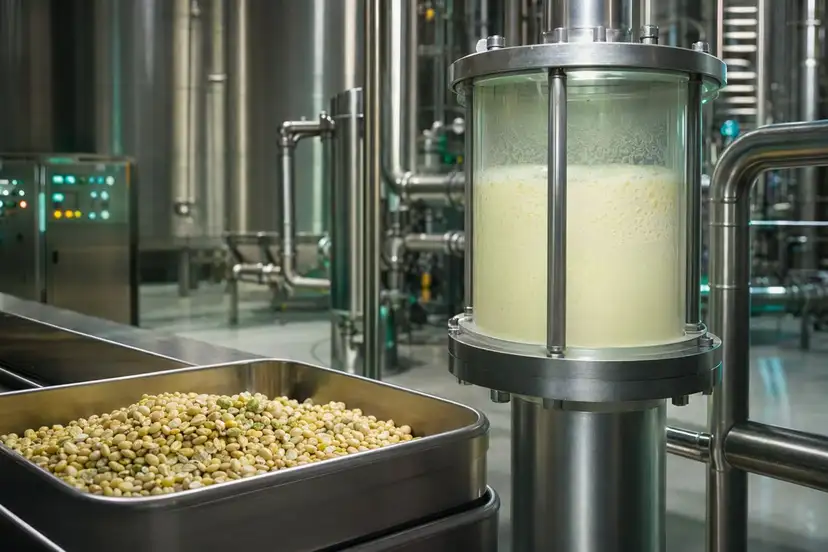
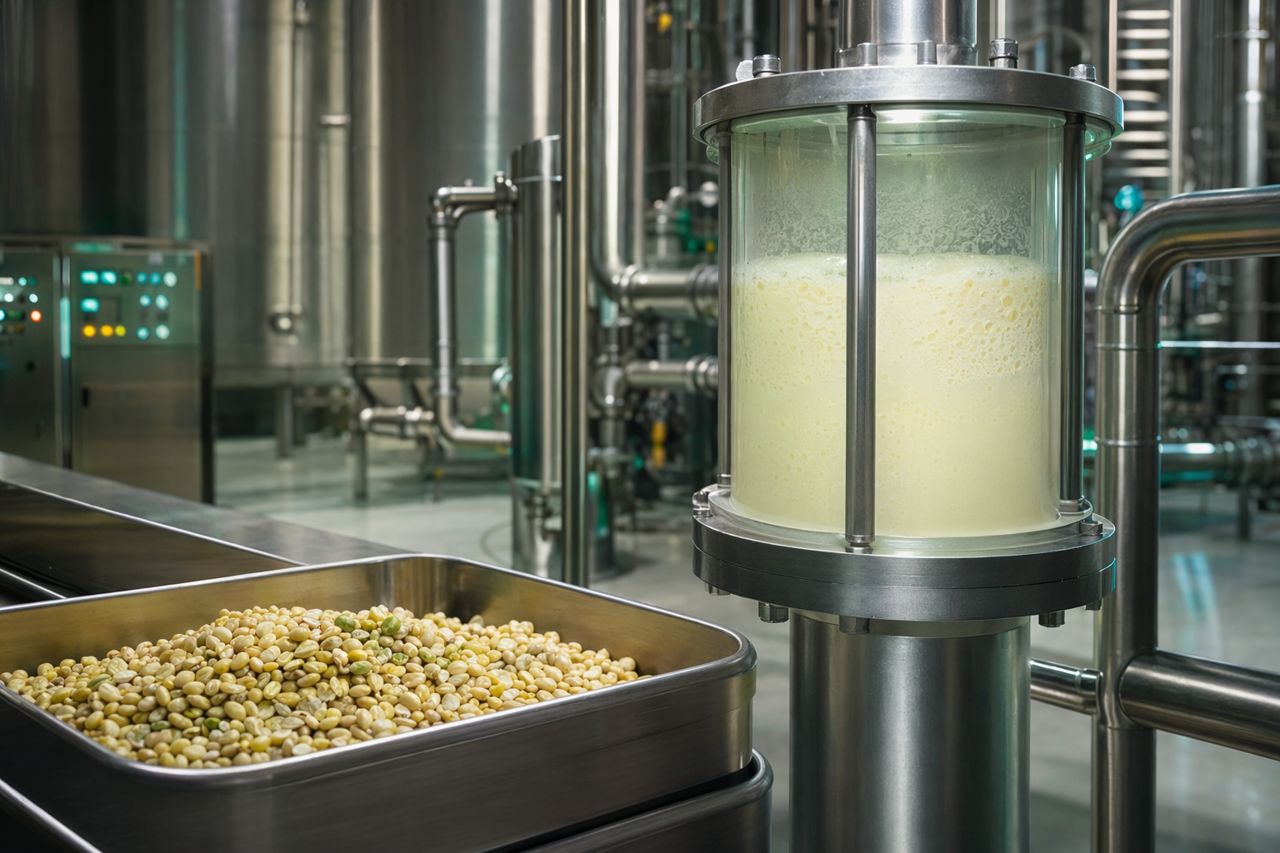
For a pulse protein isolate plant, that means quality specifications must be managed as process outcomes. Protein content matters, but so do solubility, flavor, color, microbiology, particle behavior, and functional performance after shipment. A lot of that performance is shaped before the dryer, in the way the slurry extracts, separates, washes, concentrates, and stabilizes.
As an enzyme supplier for pulse protein processing, Hilum Process Co. works with plants that want tighter specification control without turning every production run into a one-off adjustment.
The specification sheet is only the final expression of the process
A buyer may see a finished isolate specification. The plant sees the path that created it:
- Seed lot variation
- Milling profile and particle distribution
- Extraction conditions
- Slurry viscosity and hydration behavior
- Centrifuge and decanter loading
- Membrane or screen performance
- Wash efficiency
- Heat exposure
- Drying consistency
- Packaging and storage discipline
When any of those variables drift, the finished isolate can still look acceptable on one parameter while failing on another. A high-protein result with poor solubility, strong beany notes, dark color, or unstable viscosity can create buyer friction.
The practical question is not whether the isolate meets a lab target once. The question is whether the plant can make the same quality profile repeatedly, at commercial throughput.
Protein percentage: the headline number buyers still check first
Protein percentage remains the most visible quality marker for pulse protein isolates. Buyers use it for label claims, formulation cost models, nutritional panels, and supplier comparison.
For processors, the challenge is consistency. A protein target that swings across seed lots or production windows can force rework, blending, or slower release decisions. Protein recovery is affected by extraction efficiency, solids handling, separation performance, and how much non-protein material carries forward.
Enzyme programs can support this area by improving the way non-protein fractions behave in the slurry. When starch- or fiber-associated material contributes to viscosity, poor solids release, or heavier carryover, the separation train has to work harder. A cleaner slurry profile can help the plant protect protein recovery while reducing downstream variability.
Solubility: where plant history shows up in the customer’s tank
Solubility is one of the first functional checks a buyer will notice. It affects beverage systems, nutrition powders, meat alternatives, soups, sauces, and ready-to-mix applications.
Low or inconsistent solubility can come from several process realities:
- Heat history that reduces dispersibility
- Incomplete removal of interfering components
- Excessive aggregation
- Poor hydration behavior
- Variable pH adjustment
- Drying conditions that change powder behavior
For plant managers, solubility is not just a finished-goods attribute. It is connected to slurry condition and thermal discipline throughout the line. If the upstream material is difficult to pump, separate, or concentrate, operators may compensate with conditions that later show up as solubility complaints.
A well-positioned enzyme step can help reduce the burden from specific interfering fractions, allowing the rest of the line to run closer to its intended operating window.
Flavor: neutral performance is often the real premium
Pulse proteins have a strong market position because they are seed-derived and broadly useful. Still, flavor remains one of the most important buyer expectations.
Common buyer concerns include:
- Beany, earthy, or grassy notes
- Bitterness
- Astringency
- Lingering aftertaste
- Aroma carryover after hydration
Processors manage flavor through raw material selection, extraction discipline, washing, separation, thermal control, and drying. Enzymes are not a universal flavor fix, and they should not be sold that way. Their value is more practical: in the right process position, enzyme treatment can help reduce or release components that interfere with clean separation and washing, supporting a more neutral finished profile.
The strongest trials measure flavor as part of the buyer’s real application, not only as a powder evaluation. A protein that seems acceptable dry can behave differently in a ready-to-drink system, savory base, or high-protein dough.
Color: buyers read visual quality before they read the document
Color affects buyer confidence quickly. A light, consistent isolate suggests process control. A darker or variable powder may trigger questions even before functional testing starts.
Color can be influenced by seed quality, hull carryover, extraction exposure, heat load, oxidation, residual non-protein material, and drying conditions. Once color drift appears late in the line, the available corrections are often limited.
For processors, color control is best handled upstream. Improving solids release, reducing carryover, and maintaining a steadier separation profile can help lower the risk of visible variation. Enzyme use should be evaluated against the plant’s actual color expectations and the application where the isolate will be sold.
Microbiology: quality also means release confidence
Microbiological specifications are not optional. Buyers expect documented control, and plants need release confidence without excessive hold times or investigation cycles.
Enzymes do not replace hygienic design, sanitation, validated heat treatment, or environmental control. However, process stability still matters. Slurry that holds up the line, fouls equipment, or forces extended residence time can increase operational risk.
A smoother process profile can support sanitation planning, reduce unplanned interruptions, and help production stay aligned with the plant’s food safety system. For B2B buyers, that consistency is part of supplier reliability.
Functional performance: the specification buyers test in their own plant
Functional performance is where the commercial relationship is often won or lost. Buyers may test the isolate for:
- Water binding
- Emulsification
- Foaming behavior
- Gel structure
- Viscosity contribution
- Heat stability
- Dispersibility
- Texture in finished applications
These results depend on the protein itself, but also on what travels with it. Residual starch fragments, fiber-associated materials, lipids, minerals, and process-induced aggregates can all affect performance.
A processor should connect enzyme evaluation to the target application. The right question is not simply, “Did the enzyme change the slurry?” The better question is, “Did the enzyme help us make a powder that performs more consistently for the customer we are trying to serve?”
Where enzyme programs fit in a pulse protein isolate plant
Enzyme value is strongest when it is tied to a clear bottleneck or quality target. In pulse protein isolation, that often means improving the behavior of materials that interfere with extraction, separation, washing, or concentration.
Potential process outcomes include:
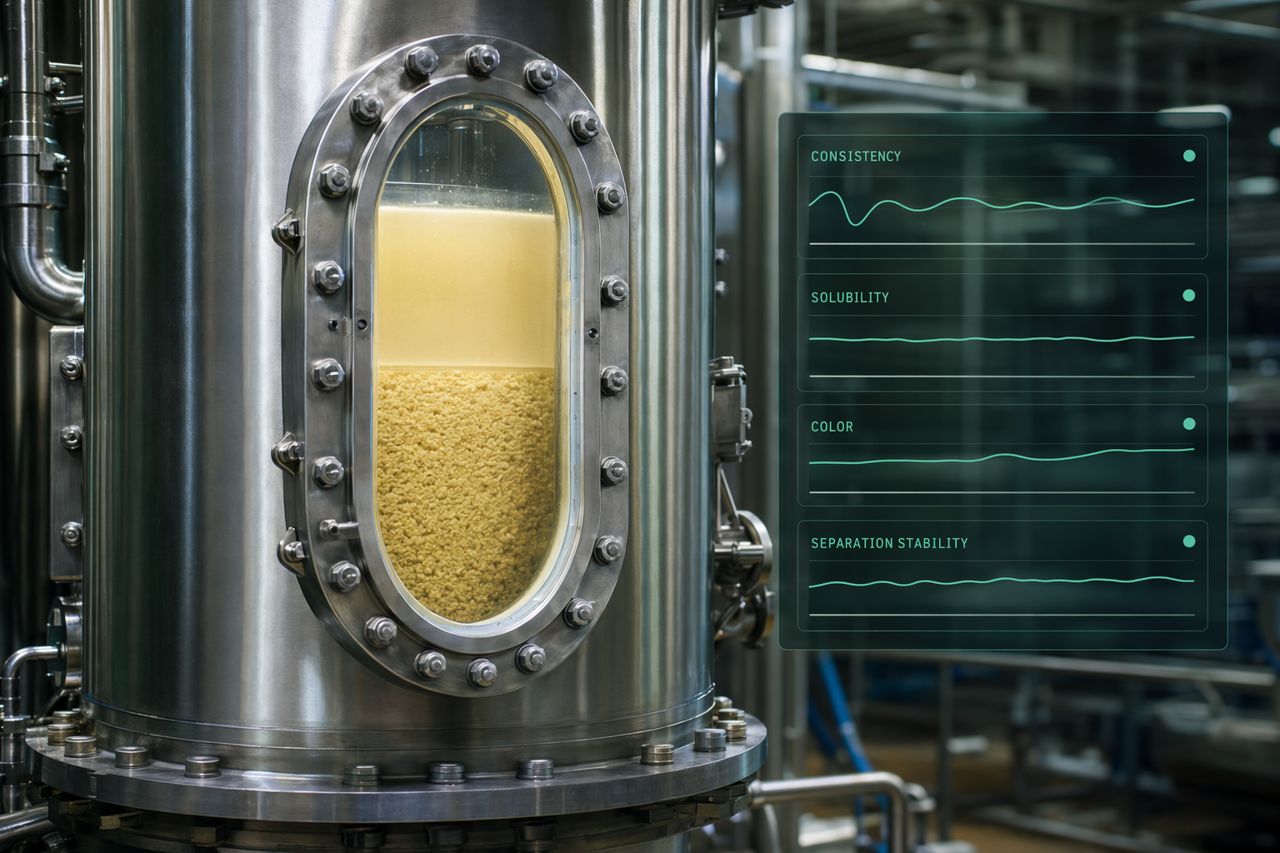
- More stable slurry viscosity
- Improved solids release
- Cleaner phase separation
- Lower fouling tendency in screens or membranes
- Better wash efficiency
- More predictable concentration behavior
- Reduced operator intervention during variable seed lots
- A finished isolate profile that is easier to keep within buyer expectations
Hilum Process Co. approaches enzyme selection from the plant floor outward. The enzyme program should fit the existing line, the desired quality window, and the commercial specification. It should not require the plant to redesign its operation around a trial that cannot scale.
Building a specification-led enzyme trial
A useful enzyme trial starts with the buyer’s specification sheet and works backward.
1. Define the commercial target
Select the quality outcomes that matter most for the customer or product grade. For example:
- Protein consistency
- Solubility improvement
- Lighter or more uniform color
- Reduced off-note intensity
- Better separation behavior
- Improved powder functionality
2. Identify the process constraint
Locate the part of the line where variability is created or amplified. This may be extraction, slurry transfer, decanter loading, polishing, washing, concentration, or pre-dryer handling.
3. Keep the trial measurable and operational
The trial should include plant-relevant indicators such as throughput stability, separation clarity, solids behavior, fouling frequency, operator adjustments, finished powder consistency, and customer application results.
4. Compare against the plant’s normal operating window
A trial only has value if it can be compared against the way the plant actually runs. Results should be reviewed against baseline production, not an idealized lab condition.
5. Confirm downstream impact
If an enzyme improves slurry behavior but creates a downstream issue, it is not the right program. The final decision should include the dryer, packaging, release testing, and buyer application performance.
What buyers expect from a dependable isolate supplier
Beyond the certificate, buyers look for supplier discipline. They want to know that the plant can maintain the same performance as order volume grows.
A dependable pulse protein isolate supplier can usually demonstrate:
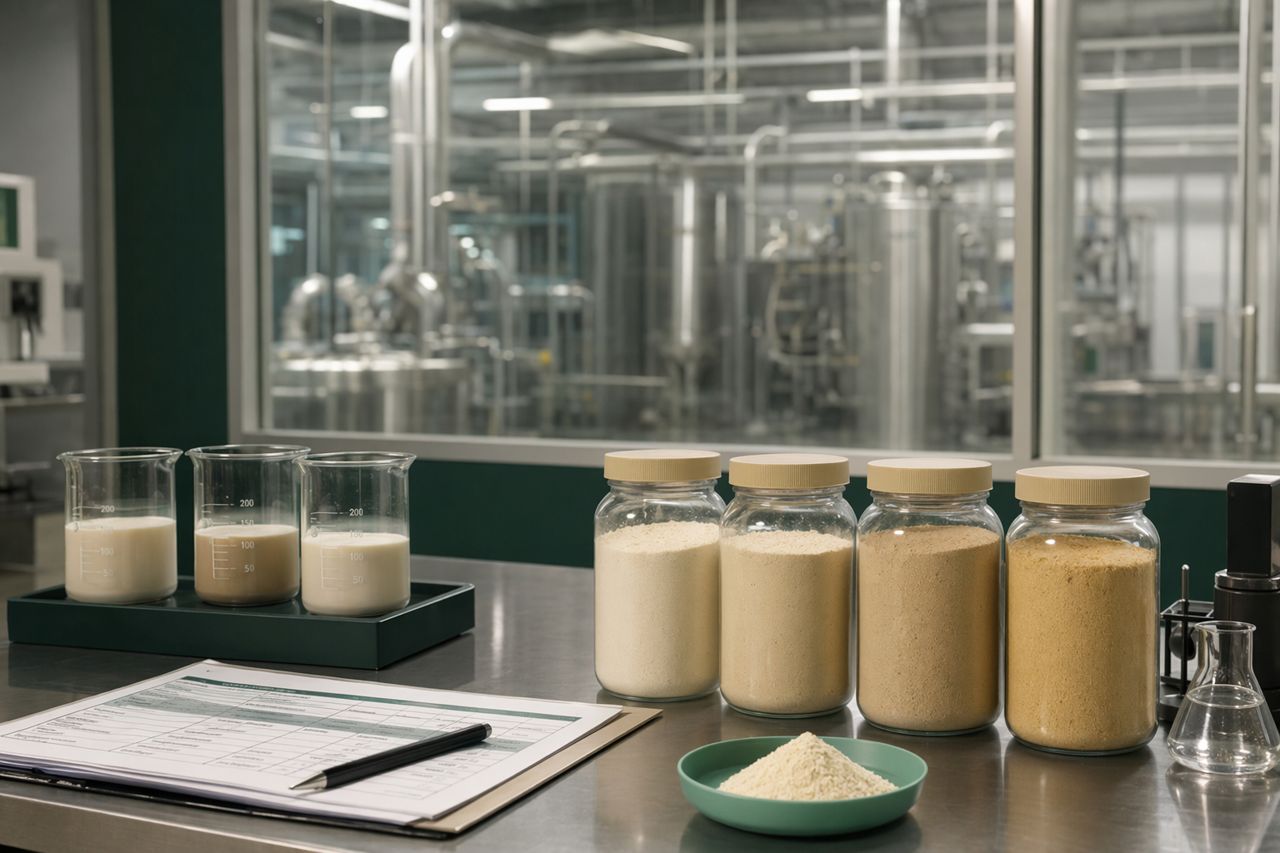
- Consistent finished-goods specifications
- Clear process control around critical steps
- Fast investigation when deviations occur
- Realistic scale-up documentation
- Application-aware quality testing
- Stable supply planning
- Technical support that understands plant constraints
For processors, enzyme programs can be part of that reliability strategy when they are selected for defined process outcomes and validated against commercial requirements.
The processor’s takeaway
Pulse protein isolate quality is not created at the end of the line. It is built through controlled slurry behavior, efficient separation, disciplined washing, careful heat management, and finished-powder validation.
Protein percentage may open the buyer conversation. Solubility, flavor, color, microbiology, and function usually decide whether the buyer returns.
Hilum Process Co. helps pulse protein isolate plants evaluate enzyme programs around those outcomes: steadier extraction, cleaner separation, reduced process friction, and more predictable finished quality.
Request a quote
If your plant is tightening pulse protein isolate specifications, preparing for a buyer audit, or troubleshooting variability across seed lots, request a quote through the on-site contact form. Hilum Process Co. will review your process target and outline a practical enzyme trial for your line.